
What Happens During a Home Energy Audit in Boston, MA? 7 Powerful Things Homeowners Should Expect
Published
What Happens During a Home Energy Audit in Boston, MA? 7 Powerful Things Homeowners Should Expect
If your heating bills feel too high or certain rooms in your house always feel cold, scheduling a home energy audit boston homeowners trust could be the first step toward fixing the problem.
Boston’s older homes, combined with harsh New England winters, often lead to hidden energy loss through poor insulation, air leaks, and outdated heating systems. A professional residential energy audit helps identify where your home is wasting energy and what upgrades can improve comfort and reduce utility bills.
Many Massachusetts homeowners can even qualify for a mass save energy assessment, which may provide rebates or discounted improvements.
But what actually happens during the inspection?
Let’s walk through the full process so you know exactly what to expect when scheduling a no cost home energy audit ma service.
Table of Contents
What Is a Residential Energy Audit?
A residential energy audit is a detailed inspection that evaluates how efficiently your home uses energy.
The goal is to uncover hidden problems that cause energy loss and recommend improvements that can lower your energy bills.
During the audit, an energy specialist reviews several parts of your home, including:
-
- Insulation levels
-
- Air leaks and drafts
-
- Heating and cooling systems
-
- Windows and doors
-
- Lighting and appliances
Boston homes built decades ago often lack proper insulation or air sealing, making these assessments especially valuable.
Homeowners may also qualify for programs through Mass Save, which offers rebates and energy-saving incentives for efficiency improvements.
Step-by-Step: What Happens During a Home Energy Audit in Boston
1. Initial Home Inspection
The audit usually begins with a walkthrough of the property.
The energy specialist will ask questions about:
-
- Your heating and cooling usage
-
- Rooms that feel drafty or uncomfortable
-
- Recent energy bills
-
- Previous upgrades or renovations
This helps identify potential areas where energy might be escaping.
Many Boston homes built before modern energy standards benefit greatly from a home energy audit boston service because insulation and air sealing may not meet current efficiency levels.
2. Insulation Evaluation
Next, the auditor examines the insulation throughout the home.
Insulation plays a major role in keeping Boston homes warm during the winter and cool during the summer.
Key areas inspected include:
-
- Attics
-
- Exterior walls
-
- Basements
-
- Crawl spaces
If insulation levels are too low or damaged, the auditor may recommend improvements that help maintain indoor temperatures while reducing heating costs.
3. Air Leak Detection
Even small air leaks can cause significant energy loss.
During the audit, technicians look for gaps around areas such as:
-
- Window frames
-
- Door seals
-
- Attic openings
-
- Electrical outlets
-
- Plumbing penetrations
These small leaks allow warm air to escape in winter and cool air to escape in summer.
Sealing these leaks is often one of the easiest ways to improve energy efficiency.
4. Blower Door Test
A blower door test is commonly used during a professional home energy audit boston inspection.
A specialized fan is placed in an exterior doorway and pulls air out of the home. This creates pressure that makes hidden leaks easier to detect.
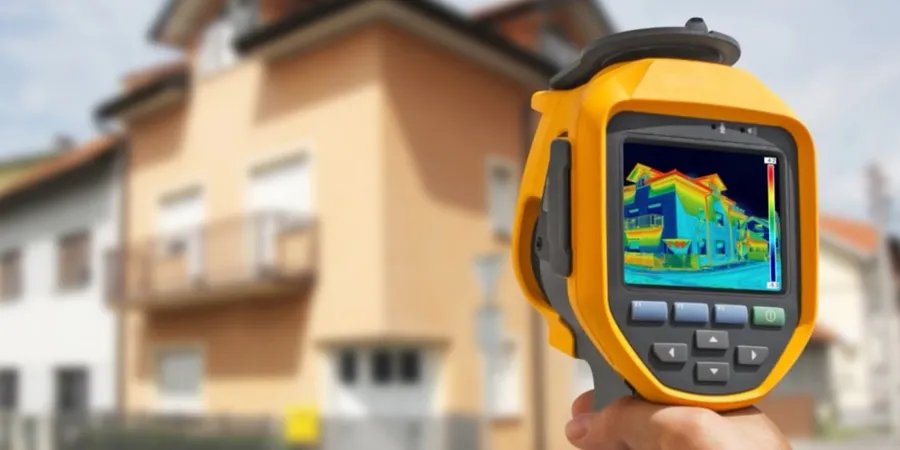
During the test, the auditor may use tools like smoke pencils or infrared cameras to identify drafts around:
-
- Windows
-
- Baseboards
-
- Ceiling fixtures
-
- Attic access points
The test provides valuable data on how airtight your home is.
5. Heating and Cooling System Assessment
Heating systems account for a large portion of energy usage in Boston homes.
The auditor reviews the condition and efficiency of your HVAC equipment, including:
-
- Furnaces
-
- Boilers
-
- Thermostats
-
- Ductwork
If your heating system is outdated or inefficient, upgrading to a modern unit could significantly reduce energy costs.
Sometimes simple changes, such as adjusting thermostat settings, can also improve efficiency.
6. Appliance and Electrical Usage Review
Energy use is not limited to heating and cooling.
During a Mass Save Home Energy Assessment, auditors also review everyday electrical consumption from:
-
- Refrigerators and freezers
-
- Water heaters
-
- Dehumidifiers and window A/C units
-
- Dishwashers and clothes washers
-
- Electric dryers
-
- Televisions, computers, and home office equipment
-
- Small kitchen appliances and other household electrical devices
In some cases, incentives may be available for upgrading to high-efficiency appliances or reducing standby (phantom) power use.
7. Personalized Energy Report and Recommendations
After completing the inspection, the auditor prepares a report outlining their findings.
This report typically includes:
-
- Areas where energy is being lost
-
- Recommended improvements
-
- Estimated savings from upgrades
-
- Available rebate programs
Many Boston homeowners use this report to plan improvements such as insulation upgrades or air sealing projects.
How Long Does a Home Energy Audit Take?
Most energy audits take between 1.5 and 3 hours, depending on the size of the home.
During the visit, homeowners can ask questions and learn about ways to improve energy efficiency.
The audit provides valuable insights into how your home uses energy and what improvements will make the biggest impact.
Benefits of Getting a Home Energy Audit in Boston
Scheduling a home energy audit boston service offers several important benefits.
Lower Energy Bills
Energy efficiency improvements can reduce heating and cooling costs by 10–30% in many homes.
Improved Comfort
Sealing air leaks and improving insulation helps maintain consistent indoor temperatures.
Access to Rebates
Programs through Mass Save may provide rebates for insulation, air sealing, and other energy improvements.
Increased Home Value
Energy-efficient homes are often more attractive to buyers and may sell faster in competitive markets.
Frequently Asked Questions About Home Energy Audit
Is a home energy audit no cost in Massachusetts?
Many homeowners qualify for a no cost home energy audit ma through Mass Save depending on their utility provider.
Do I need to prepare my home before an audit?
Yes. It helps to ensure that the attic, basement, and utility areas are accessible for inspection.
Are older Boston homes good candidates for energy audits?
Yes. Older homes often lack modern insulation and air sealing, making them ideal candidates for improvements.
How much can an energy audit reduce my energy bills?
After recommended upgrades are completed, some homeowners see energy savings of 10–30%.
How often should I schedule an energy audit?
Most homes only require an audit once every 2-5 years, unless major renovations occur.
What upgrades usually follow an energy audit?
Common improvements include:
-
- Attic insulation
-
- Air sealing
-
- Heating system upgrades
-
- Window and door improvements
These changes target the biggest sources of energy loss.
A professional home energy audit boston homeowners schedule is one of the best ways to uncover hidden energy problems and improve home comfort.
By evaluating insulation, detecting air leaks, testing heating systems, and analyzing energy use, an audit reveals exactly where your home is losing energy.For many Boston homeowners, the process leads to valuable upgrades that reduce energy bills, improve comfort, and qualify for rebates through Mass Save.